
Search
Total: 99 results found.
Page 5 of 5
Materia Group
Materia Group is a private sector social enterprise in Cyprus. It is a multi-shareholder organization, with 20 shareholders at the moment. It provides a wide range of Care, Nursing and Rehabilitation Services to the Elderly Population of Cyprus, either at the clients’ homes or at Materia’s three facilities in Nicosia. It is considered the main private sector provider of holistic services to the elderly on the island. Philosophy and Management and operations team is based on a multi-disciplinary approach, aiming at best possible services for end user and their families. The group has a database of over 5000 elderly in the Nicosia region, mainly its current and Rehab alumni clients. The Group was a co-founder of the NGO Gerontology Research Center (www.gerocenter.org) along with the University of Nicosia.
In the context of the project, the MATERIA team will contribute to the definition and detailed evaluation of the markers of frailty and the development of instruments that would be useful in various clinical settings. MATERIA will participate in data acquisition and the assessment of older adults and evaluation of FrailSafe.
Centre for Research and Technology Hellas/Information Technologies Institute

The Information Technologies Institute (ITI) was founded in 1998 as a non-profit organisation under the auspices of the General Secretariat for Research and Technology of Greece, with its head office located in Thessaloniki, Greece. Since 10.3.2000 it is a founding member of the Centre for Research and Technology Hellas (CERTH) also supervised by the General Secretariat for Research and Technology (GSRT). In 2008, CERTH was among the first Greek research organisations to undersign and accept the principles of the Charter and Code for researchers while at the same time CERTH representatives were members of the Greek delegation at the Steering Group for Human Resources and Mobility (SG HRM). Its latest achievement in the field of human resources is the “HR EXCELLENCE IN RESEARCH” logo awarded by the EC in April 2012 as a proof that CERTH is committed to offer the best possible working conditions, regardless the socio-economic environment, and at the same time work towards the realisation of the European Research Area (Innovation Union, Commitment #4).
Actually CERTH/ITI is one of the leading Institutions of Greece in the fields of Informatics, Telematics and Telecommunications, with long experience in numerous European and national R&D projects. Since its creation, ITI has always been heavily involved in the transfer and dissemination of high-quality research knowledge and advanced solution development trends and leading-edge technologies, by taking into consideration the needs of industry and society. Following its strategic research directions, and according to the experience of its members, ITI has developed spheres of excellence and critical mass in research and technology in several strategically important fields in domains such as Image and Signal Processing, Computer & Cognitive Vision, Human Computer Interaction, Virtual and Augmented Reality, Multimedia, Database and Information Systems and Social Media Analysis.
Since its establishment, CERTH/ITI has participated in more than 155 research projects funded by the European Commission (IST FP5-FP6-FP7-Horizon) and more than 160 research projects funded by Greek National Research Programmes and Consulting Subcontracts with the Private Sector (I&T Industry). ITI currently has 216 employees including Scientific Personnel (Researchers, Collaborating faculty members, Postdoctoral Research Fellows, Postgraduate Research Fellows, and Research Assistants), Administrative and Technical Staff. In the last 8 years, the publication record of ITI includes 220 scientific publications in international journals, 577 publications in conferences and 84 books and book chapters. These works have been cited in more than 3000 times.
AGE Platform Europe
AGE Platform Europe is a European network of more than 150 organisations of and for people aged 50+ representing directly over 40 million older people in Europe. Our work focuses on a wide range of policy areas that impact on older and retired people. These include issues of anti-discrimination, employment of older workers and active ageing, social protection, pension reforms, social inclusion, health, elder abuse, intergenerational solidarity, research, accessibility of public transport and of the build environment, and new technologies (ICT).
AGE Platform Europe is participating in various research projects on ICT, e-Inclusion, eHealth and mobility, bringing evidence of the needs of older users and engaging them in User Fora, Advisory Boards and consultations. Besides our policy and monitoring activities, AGE is involved in the dissemination of relevant information to our network through various channels (AGE monthly on-line newsletter, brochures, participation in seminars, workshops and campaigns and the AGE website).
AGE Platform Europe joins the project with the aim of voicing the needs and concerns of older people as well as to disseminate project activities and outcomes to older people’s organisations and policy makers at the national and European level. AGE Platform Europe will take on tasks where the involvement of users is foreseen to support the designers and developers on the one hand side, and to bring older people on board on the other hand side. AGE will be responsible for managing the dissemination activities to achieve greater visibility of the project outcomes by using our networks of policy contacts and other stakeholders to disseminate the project at the European level, as well as calling for the support of our members to help with dissemination at the national level.
Smartex S.L.R.

SMARTEX s.r.l is a small limited liability company founded in 1999 with the aim of developing e-textile or new electronics structures compatible with textile processes and manufactures. Core activity is the implementation of bio sensing apparels (Tshirts, bands, vests, etc.) able to monitor vital signals, as electrocardiograms, heart rate, respiration signal and rate, index of activity as well as bio-potentials like EMG. Moreover systems based on piezoresistive textile sensors allow to acquire biomechanical signals for the recognition of gesture and posture. Smartex has also gained experience in the design and the implementation of textile solutions for biochemical sensing and body liquid handling. Smartex owns the intellectual property and the technical knowledge to implement the textile sensing, the acquisition and the extrapolation of parameters in different applications spanning from sport to clinical rehabilitation. The team is composed of electronic engineers, one textile designer, bioengineers and physicists.
Brainstorm Multimedia

Brainstorm Multimedia is a SME software development company with over fifteen years’ experience of 3D graphics and presentation within the broadcast television and multimedia industries. Brainstorm was founded initially as a company to provide graphics services for broadcast television stations in Spain. Currently Brainstorm systems are being used all over the world in some of the most highly respected broadcast organisations.
Brainstorm develops stand alone graphic packages that allow the creation of bespoke user interfaces including standard graphics effects like 3D text, animations effects, videogames and full interaction that enable the user to create a perfect 3D environment for content presentation and transmission. Brainstorm has also experience in digital cinema, adapting the graphic platform for film pre-visualization. Our technology has been used on set by film makers such as Steven Spielberg and Tim Burton for features including Artificial Intelligence, I Robot, Speed Racer and Alice in Wonderland to allow the director to see real actors interacting with a virtual backgrounds or virtual characters on the studio floor. Besides, in the last 5 years, Brainstorm has started a new research line for using our graphic engine to serious games, specifically in the area of e-inclusion. Brainstorm has coordinated the successful project Replay - Gaming Technology Platform for Social Reintegration of Marginalised Youth, project SmartSet - High Performance Low Cost Virtual Studios for Creative Industries SMEs, and has participated in several European and National Projects in this area. Brainstorm has many years of experience in integrating advanced VR and AR hardware with the 3D software above mentioned in the areas of broadcasting, digital cinema and videogames.
University of Patras
UoP will participate in the project through three units (a) the Multidimensional Data Analysis and Knowledge Discovery (MDAKM) Laboratory (mdakm.ceid.upatras.gr) of the Dept. of Computer Engineering and Informatics (CEID), (b) the Wire Communications Laboratory (WCL) in the Department of Electrical and Computer Engineering and (c) the Department of Neurology in the University Hospital of Patras. In addition, the Geriatric and Gerontology Society of Southwest Greece (GGSSG) will participate as subcontractor.
The MDAKM lab is directed by Professor Vasileios Megalooikonomou. The group has expertise in signal processing, data pre-processing and representation, feature extraction and dimensionality reduction, pattern and association discovery, similarity analysis, clustering, classification, prediction, data modelling and simulation, knowledge discovery, knowledge representation and management. The lab is engaged in the analysis of spatiotemporal data obtained from a wide range of modalities and the development of database and intelligent information systems with data mining and decision support capabilities that are used in neuroinformatics for biomarker discovery and computer assisted interpretation of brain data. In particular the research group has been involved in analysis of brain data in normal and disease states such as Alzheimer’s, ADHD, epilepsy, etc. The group has also expertise on the management and analysis of spatiotemporal data collected from sensors. The group includes three faculty members, 3 postdoctoral researchers, 8 PhD students and 5 MSc students.
WCL is part of the Telecommunications and Information Technology Division that belongs to the Electrical and Computer Engineering Department (ECE) of the University of Patras, Greece. It was established in 1967 and began its activities in 1969. WCL throughout the years has developed substantial research and teaching expertise in the fields of Telecommunications and Networks, Information Processing, Artificial Intelligence, and Electroacoustics. Such wide range of activities has been organised around seven (7) separate Research Groups with distinct research topics: Artificial Intelligence Group, Audio and Acoustics Technology, Communication Networks, Teletraffic Engineering and Applications, Communications and Telematic Applications, Digital Transmission and Coding, Network Architectures and Management, Pattern Recognition, and Visualization and Virtual Reality. The research activity of WCL, as it is carried out by its research groups, is multifarious and covers both basic and applied research. The research is being carried out in the context of European, National and industrial projects.
The Department of Neurology in the University Hospital of Patras, Greece is a 28 bedded ward, which admits directly either from the accident and emergency department or the out-patient clinic. Stroke, multiple sclerosis, peripheral neuropathies, epilepsy, dementias, Parkinson’s disease, encephalopathies are among the most common diseases in this general neurology wards with no age limit on admission. The Department runs also a laboratory with electromyography and a laboratory with encephalography.
In the context of the FrailSafe project, UoP will be responsible for the whole project management. In addition, the UoP team will contribute to the specific activities listed below:
- Requirements and specifications
- Clinical studies, measurements and clinical analysis
- Multimodal data analysis (speech, image, ECG, body motion)
- Multimodal and multidimensional data fusion
- Data mining, knowledge discovery and decision support
- Streaming data management and analysis
- Brain image analysis
- Social interaction and natural language analysis
- Spoken interaction (speech recognition, speech synthesis)
- Emotion/affective modelling of the patients
- Virtual patient models
- Therapeutic strategies for older patients
- Frailty quantification
- Testing and evaluation
In those activities UoP will bring in results of earlier and on-going funded research projects, such as ARMOR (scientific management, online and offline management and analysis tools for multi-parametric and multimodal data such as EEG, ECG, etc., patient models, fusion of information and decision support systems), IIS-0237921, BIOMEDMINE, 1 R01 MH 068066 (brain image analysis and knowledge discovery), NEUROWEB and other projects (speech recognition, body motion, etc.) UoP will bring a strong research and development perspective to the project activities and contribute to dissemination.
FrailSafe Advisory Board
Like any other European project, FrailSafe needs guidance and advice to ensure the success of its work. This role is assumed by the Advisory Board. Its members are stakeholders from outside the consortium and steer the partners in the right direction when needed and monitor and control that the project outcomes maintain commercial exploitability of results. Indeed, it is critical for the long term business success that the exploitation efforts and the development of the business plan are evolving in the right direction. The FrailSafe Consortium would like to welcome its six Advisory Board members:
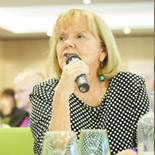
Dr. Elizabeth Mestheneos: Dr. Elizabeth Mestheneos is a UK trained sociologist who taught in the Department of Sociology, University of East London. She relocated to Greece in 1983 working in film production, and then as independent researcher since 1988 in a range of research projects covering the labour market, refugees, and ageing. In the field of ageing she has worked on research projects on family care, older workers, elder abuse, homecare services, chronic disease and ICT. She has published widely on these subjects. She is co-founder of the NGO “50+ Hellas” promoting the human rights of older people and their well-being. She is a member of the Hellenic Gerontological and Geriatric Association where she is currently involved in the development of a Greek e-library on gerontology and geriatrics. She was elected President of AGE-Platform Europe 2008-2011, an umbrella organization with 120 member organizations, having served on the Board since 2003. She has served as advisor and juror on several EU projects, many concerned with new technologies e.g. AAL, ReAAL, JUMP and Acccessible Cities.
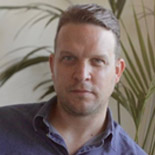
Mr. Jim Playfoot : Director of Strategy & Ideas, is co-founder of White Loop and a technology implementation expert with 15 years' experience consulting and managing large public and private sector projects. He is also a respected communications expert, has been widely published and is emerging as one of the UK's leading social entrepreneurs. Jim founded and is the CEO of the Creative Network. He also writes regularly on innovation, creativity and communication.
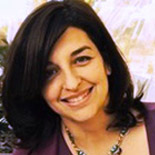
Dr. Malena Fabregat : Dr. Malena Fabregat has a PhD in Sociology of Health and specialist in Socio-Technological Change. She has also achieved an Advanced Studies Diploma in Educational Psychology. Since 2001 and up to date she has participated in 33 research projects I + D + I, highlighting those funded by the European Commission.
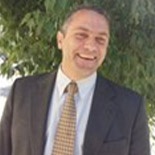
Mr. Filios Savvides : Filios Savvides (B.Sc, ACA) is a UK Civil Engineer, Chartered accountant, an ex-auditor and banker. For the past 15 years he has been active in a broad spectrum of activities, including older adult care, active ageing, youth employment and training, and ageing-related grass roots projects. He has been consulting organisations (including Materia Group in Cyprus and Aktios Group in Greece) in the business development of older adult care. For the last 10 years he has been actively involved in new service set-ups in Cyprus. His expertise lies in the business development process and strategy, as well as business plan creation and business skills development in non-business (mostly health care) professionals and young entrepreneurs.
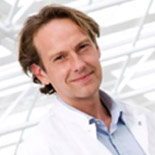
Dr. Nick Guldemond : Dr. Guldemond is professor in Integrated Care and Technology at the Institute of Health Policy and Management at the Erasmus University in Rotterdam. He holds a degree in medicine and electric engineering. Beginning 2000s he was the founder of the “Medical Field Lab’, an early example of a health/medical oriented living lab based on open-innovation and co-creation for which he received international acknowledgement. He is a key expert on healthcare transformation, eHealth implementation and public-private partnerships with a passion to create an impact for society, science and business. He is an advisor for various international organisations such as WHO Global eHealth Observatory, EU Programmes as the EIT Knowledge Innovation Community (KIC) Health and KIC Digital, Ambient Assisted Living, Innovative Medicine Initiative, H2020 and the Netherlands Innovative Medical Device Initiative. He is active in numerous international, national and regional eHealth programmes. Often in collaboration with industry such as multinational companies in Pharma (Roche, Novartis, Genzyme, J&J, Grunenthal), Medtech (Philips, MEDTRONIC, COCIR), Health IT (Microsoft, Ascom, Ortec, Vodafone) and finance (Rabobank, Natwest, RBS). Dr. Guldemond was architect of the national eHealth and Big Data implementation strategy and programme director eHealth on behalf of the Netherlands Federation of University Medical Centres (NFU). He is a successful coordinator of the European initiative EIP on Healthy and Active Ageing. Dr. Guldemond is also member of the ISO strategic advisory group on Ageing Societies.
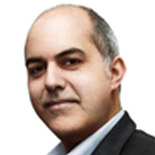
Dr. Gil Gonçalves : Dr. Gil Gonçalves is INOVA+'s Chief Scientific Officer and has been involved in ICT/health projects for many years. He is a collaborator of the European Innovation Partnership (EIP) on Active Health Ageing (AHA) and coordinates a sub-group of Action Group C2 for Independent living solutions.
Media
Infographics


Presentations
- 26.02.2018 EIP on AHA Conference of Partners 2018 url
Press Releases
- 13.02.2017 System Architecture pdf
- 11.04.2016 Website launch pdf
- 10.02.2016 Project launch pdf
FrailSafe Overview Leaflet


FrailSafe Medical Leaflet



Newsletter #1, June 2016
Newsletter #2, December 2016

Newsletter #3, July 2017
Newsletter #4, December 2017
Newsletter #5, July 2018

Newsletter #6, December 2018

Insurance companies’ perspectives of FrailSafe - March 2019
A policy-maker’s perspective on FrailSafe - March 2019
A user’s experience with FrailSafe - March 2019
The FrailSafe technological system explained - February 2019
What is the FrailSafe solution? - September 2018
The FrailSafe system used by Care Providers - July 2018
FrailSafe interview with Ioannis Ellul (University of Patras) - July 2018
FrailSafe, viewed by the Cyprus volunteers - May 2017
Joint FrailSafe & WHO Webinar - March 2019
Joint Advantage JA & FrailSafe Webinar - October 2018
FrailSafe Game Changer in Frailty Prevention Webinar - April 2018
Excellence
Ageing population is increasing worldwide to reach an estimated two billion people aged over 65 years by 2050, which will obviously affect the planning and delivery of health and social care. A consequence of age related decline is the clinical condition of frailty. Frailty is a medical syndrome with multiple causes and contributors that is characterized by diminished strength, endurance, and reduced physiologic function that increases an individual’s vulnerability for developing increased dependency and/or death . Frailty is characterized by multiple pathologies: weight loss, and/or fatigue, weakness, low activity, slow motor performance, and balance and gait abnormalities. There is also a potential cognitive component. Frailty makes elderly more vulnerable to stressors and has major health care implications, such as increased risk of incident falls, delirium, worsening of mobility, disability, hospitalization, institutionalization, and mortality which eventually increase the burden to cares and costs to the society.
The European Union has placed specific importance on defining frailty, as frail persons are high users of community resources, health services, and nursing homes. It is assumed that early intervention with frail persons will improve quality of life and reduce health services costs. Frailty is a clinical entity distinct from disability and co-morbidity. Disability is measured by impairment in activities of daily living (ADL) and co-morbidity is defined by the presence of two or more diseases. However, all three conditions, often referred to as geriatric syndrome, are predictive in varying degrees of adverse health out-comes, and therefore have a certain level of overlap, and this increases with greater frailty.
A single operational definition of frailty has not been agreed so far, as experts in a recent consensus conference have failed to agree1. The lack of standardized definition of frailty causes heterogeneity in studies. Frailty as a syndrome is characterized by a cluster of symptoms and signs that can be grouped in a physical, cognitive, functional, and social domain. Of these domains, the physical frailty phenotype is more studied and described by weight loss and sarcopenia, weakness with low grip strength, exhaustion or poor endurance, slow motor performance (e.g., slow walking speed, decreased balance) and low physical activity, as a marker of low energy expenditure . The cumulative deficit model provides an alternative operational definition of frailty. It is based on a comprehensive geriatric assessment and takes into account ninety-two baseline parameters of symptoms, signs, abnormal laboratory values, disease states and disabilities, referred as deficits, to define frailty . The derived Frailty index is a simple calculation of the presence or absence of each variable as a proportion of the total, thus frailty is defined as the cumulative effect of individual deficits. However, the Frailty index does not distinguish frailty from disability or comorbidity; instead, it includes them.
Frailty together with functional decline and disability are common conditions in older people, and are increasing with ageing. However, frailty is a dynamic and not an irreversible process; it seems preventable, may be delayed, or reversed. Transition between frailty states, i.e., non-frail, pre-frail, frail, has been documented . It is more likely to progress from the non-frail status to frail than the opposite. The rate of progression varies among elderly and some cases show sudden onset and rapid transition, whilst others slow and progressive changes. Interventions that alter the natural course of frailty may prevent or reduce adverse health outcomes, and thus, may be proved beneficial not only to individuals, but to families, carers, and society. Moreover, frailty is believed to be preceded by behavioral adaptation made in response to declining physiologic reserve14. Behavioral changes may precede the transition to pre-frail or frail state and often pass undetected. More importantly, such changes may not be captured by conventional clinical assessments. A recent comprehensive overview of existing frailty measurements has identified 27 measures of frailty, but none of them have been recognized as a gold standard and half of them have not ever been used by other investigators.
Considering that frailty has major health care implications and all persons older than 70 years should be screened for frailty1, FrailSafe addresses all of the above challenges, i.e., lack of an agreed single operational definition of frailty, lack of a reliable frailty model, understudy of cognitive, functional, and social domains in addition to the physical domain of frailty, the fact that behavioral changes may precede the transition to pre-frail or frail, the need to develop real life tools for the assessment of physiologic reserve and the need to test interventions that alter the natural course of frailty since frailty is a dynamic and potentially reversible process.
FrailSafe aims to better understand frailty and its relation to co-morbidities; to identify quantitative and qualitative measures of frailty through advanced data mining approaches on multiparametric data and use them to predict short and long-term outcome and risk of frailty; to develop real life sensing (physical, cognitive, psychological, social) and intervention (guidelines, real-time feedback, Augmented Reality serious games) platform offering physiological reserve and external challenges; to provide a digital patient model of frailty sensitive to several dynamic parameters, including physiological, behavioural and contextual; this model being the key for developing and testing pharmaceutical and non-pharmaceutical interventions; to create “prevent-frailty” evidence-based recommendations for the elderly; to strengthen the motor, cognitive, and other “anti-frailty” activities through the delivery of personalised treatment programmes, monitoring alerts, guidance and education; and to achieve all with a safe, unobtrusive and acceptable system for the ageing population while reducing the cost of health care systems.
Technological & Other Objectives
FrailSafe Objectives are divided into Medical (MOs) and Technological Objectives (TOs). TOs concern the development of an ICT solution that will deliver rehabilitation, and ultimately lead to prediction, prevention and self-management of frailty symptoms.
The main technological objectives (TOs) of FrailSafe are:
- TO1. Design and development of hardware components (ambient and wearable sensors, body node coordinator (e.g., smart phone) optimised in terms of ergonomics, user-friendliness compactness, unobtrusiveness and energy consumption that can be used indoors and outdoors providing functionalities for effective yet simple and economical personalized monitoring of the individual patient's condition for purposes of detecting/alerting/averting of frailty events, merged to an integrated system, explicitly taking into account security and privacy issues.
- TO2. Design and development of efficient signal processing algorithms for low level processing including signal enhancement, activity classification, energy expenditure, and behavioural monitoring.
- TO3. Development of a self-adaptive virtual patient model offering optimal services for managing frailty ranging from critical situation management, facilitating social integration to day-to-day self-management and health preservation based on a personalized patient profile.
- TO4. Development of a generic monitoring and management infrastructure on which modular services and patient-specific applications will be built.
- TO5. Development of novel methods for the offline management, fusion and analysis of multimodal and advanced technology data from social, behavioural, cognitive and physical activities of frail older people and application of these methods to manage and analyze the large amounts of data collected leading to integrative interpretation and better understanding of frailty, introduction of new quantitative frailty biomarkers as well as frailty metrics, correlation of co-morbidities and frailty, advanced decision making capabilities (DSS) assisting diagnosis by medical professionals.
- TO6. Development of real-time data management and data mining methods effectively making decision assessing frailty levels, detecting frailty risks and triggering alarms in case of emergency situations (e.g., fall, loss of orientation, incoherent utterances in electronic written text) based on minimal processing of real-time multi-parametric streaming data and economical personalized monitoring guided by a minimal number of sensors and parameters (FrailSafe prediction engine and Risk Factor Evaluation).
- TO7. Investigation of processing time, storage and communication trade-offs for real-time analysis at the WBAN or the phone/PDA and use of data reduction and summarization techniques for reducing raw streaming data to secondary or tertiary parameters. Effectively use virtual patient models and results from the offline data mining of multi-parametric data to make real-time analysis more efficient and targeted.
- TO8. Development of a dynamically synthesized, personalized and highly innovative Augmented Reality game consisting of different scenarios that will take place in the real world than in a virtual one that measures parameters of behavioural, cognitive and physical domain while implementing various intervention strategies.
- TO9. Extensive testing of the FrailSafe integrated system in several validation scenarios while ensuring compliance with ethics standards.
Other objectives of FrailSafe are:
- Development of effective means for translating intensive non-pharmacological interventions at home settings.
- Encapsulation of pharmacological interventions when needed, for prevention or treatment reasons.
- Reduction of the effort needed for the provided healthcare service as well as load of carer and the overall cost spent for the healthcare system in Europe.
In summary, the fusion of the relevant information from all the sources mentioned earlier, is expected to advance our understanding of frailty and the associated co-morbidities, measure risk of frailty, and as such, risk of adverse outcome, provide a model for testing interventions and treatments, provide a model to deliver rehabilitation, and ultimately lead to prediction, prevention or even reversal of frailty.
FrailSafe will not only increase confidence in detecting frailty symptoms and signs, but also will improve motor and cognitive capabilities of older people by providing them with assistive visual and contact feedback while performing dynamically synthesized Augmented Reality games/rehabilitation programs. FrailSafe will develop an infrastructure on which novel patient-specific services will be integrated in a modular form. The service applications will manage and analyse large volumes of acquired and new multimodal and advanced technology data of older adults and individuals clinically diagnosed with frailty, and further relate the presence of frailty with the possible existence of specific co-morbidities if indicated by the caregiver. Aiming to design personalized, medically efficient and economical e-health services that will improve the self-management of older people, FrailSafe will support their overall health status, and strengthen their social activity. It will also provide means aiding their independent living, ensuring adherence to pharmacological treatments and offering at-home intense non-pharmacological interventions for maintaining/enhancing their cognitive and motor functionalities.

Launch of FrailSafe: A new EU project to delay frailty among older persons by bridging health data and new technologies
The FrailSafe project was launched on 1st January 2016 and includes partners from Greece, Spain, Italy, Belgium, France and Cyprus. The aim is ambitious: delaying frailty by developing a set of measures and tools, together with recommendations to reduce its onset. To achieve these objectives, FrailSafe will combine state of the art information technologies and data mining techniques with high-level expertise in the field of health and ageing. The project is funded by the European Research programme Horizon 2020 and will last three years.

Better Understand Frailty & Develop Measures to Define it
The first two Medical Objectives (MOs) of the project are to better understand frailty and its relation to co-morbidities (MO1) and develop quantitative and qualitative measures to define frailty (MO2).

Use of Measures to Predict Short and Long-term Outcome
The third Medical Objective of the project concerns the use of measures developed in order to predict the short and long-term outcome (MO3).

Real Life Tools Development for Assessment Support
The fourth Medical Objective of the project is to develop real life tools for the assessment of physiological reserve and external challenges (MO4).

Provision of a Model to Facilitate the Testing of Interventions
The fifth Medical Objective of the project is to provide a model sensitive to change in order that will facilitate the testing of pharmaceutical and non-pharmaceutical interventions, which will be designed to delay, arrest or even reverse the transition to frailty, can be tested (MO5).

Creation of “Prevent-Frailty” Evidence Based Recommendations
The sixth Medical Objective of the project is to create “prevent-frailty” evidence based recommendations for older people regarding activities of daily living, lifestyle, nutrition, etc. to strengthen the motor, cognitive, and other “anti-frailty” activities through the delivery of personalised treatment programmes, games, monitoring alerts, guidance and education and estimate the influence of these interventions (MO6).
At a Glance

An Overview
Ageing population is steeply increasing worldwide. A consequence of age related decline is the clinical condition of frailty. Frailty is a biological syndrome of decreased reserve and resistance to stressors, resulting from cumulative declines across multiple physiologic systems and causing vulnerability to adverse outcomes. Susceptibility to stressors is influenced by biological, behavioral, environmental, and social risk factors, with the main consequence being an increased risk for multiple adverse health outcomes, including disability, morbidity, falls, hospitalization, institutionalization, and death. However, frailty is a dynamic and not an irreversible process; it seems preventable, may be delayed, or reversed. Our understanding of frailty has markedly improved over the last five years, yet there are many issues yet to be resolved. FrailSafe aims to better understand frailty and its relation to co-morbidities; to identify quantitative and qualitative measures of frailty through advanced data mining approaches on multiparametric data and
use them to predict short and long-term outcome and risk of frailty; to develop real life sensing (physical, cognitive, psychological, social) and intervention (guidelines, real-time feedback, Augmented Reality serious games) platform offering physiological reserve and external challenges; to provide a digital patient model of frailty sensitive to several dynamic parameters, including physiological, behavioural and contextual; this model being the key for developing and testing pharmaceutical and non-pharmaceutical interventions; to create “prevent-frailty” evidence-based recommendations for the elderly; to strengthen the motor, cognitive, and other “anti-frailty” activities through the delivery of personalised treatment programmes, monitoring alerts, guidance and education; and to achieve all with a safe, unobtrusive and acceptable system for the ageing population while reducing the cost of health care systems.
FrailSafe Partners
University of Patras
GREECE, Academia
UoP will participate in the project through three units (a) the Multidimensional Data Analysis and Knowledge Discovery (MDAKM) Laboratory Read More....
University of Patras acts as the project coordinator of FrailSafe.
Brainstorm Multimedia
SPAIN, SME
Brainstorm Multimedia is a SME software development company with over fifteen years’ experience of 3D graphics and presentation within the broadcast television and multimedia industries.
Brainstorm was founded initially as a company to provide graphics services for broadcast television stations in Spain. Currently Brainstorm systems are being used all over the world in some of the most highly respected broadcast organisations. Read More....
Smartex
ITALY, SME
SMARTEX s.r.l is a small limited liability company founded in 1999 with the aim of developing e-textile or new electronics structures compatible with textile processes and manufactures.
Core activity is the implementation of bio sensing apparels (Tshirts, bands, vests, etc.) able to monitor vital signals, as electrocardiograms, heart rate, respiration signal and rate, index of activity as well as bio-potentials like EMG. Read More....
AGE Platform Europe
BELGIUM, NGO
AGE Platform Europe is a European network of more than 150 organisations of and for people aged 50+ representing directly over 40 million older people in Europe.
Our work focuses on a wide range of policy areas that impact on older and retired people.Read More....
Center for Research and Technology Hellas/Information Technologies Institute
GREECE, Research Institute
The Institute (ITI) was founded in 1998 as a non-profit organisation under the auspices of the General Secretariat for Research and Technology of Greece, with its head office located in Thessaloniki, Greece.
Since 10.3.2000 it is a founding member of the Centre for Research and Technology Hellas (CERTH) also supervised by the General Secretariat for Research and Technology (GSRT). Read More....
Materia Group
CYPRUS, Ltd
Materia Group (www.materia.com.cy) is a private sector social enterprise in Cyprus. It is a multi-shareholder organization, with 20 shareholders at the moment.
It provides a wide range of Care, Nursing and Rehabilitation Services to the Elderly Population of Cyprus, either at the clients’ homes or at Materia’s three facilities in Nicosia. Read More....
Gruppo SIGLA.
ITALY, SME
Gruppo SIGLA Srl, established in 1990 in Genova (Italy), is an Italian SME consisting of 70 specialists with high technical expertise and experience in the field of ICT.
Gruppo SIGLA provides IT solutions, covering the entire lifecycle: from the analysis of the customer requirements to the implementation of feasibility studies, from the design (hardware and software) to the integration and configuration of the systems... Read More....

Hypertech
GREECE, SME
HYPERTECH, founded in 1997, is one of the pioneers in the Internet and Mobile applications area. The business strategy of HYPERTECH focuses on applied research and innovation activities to create a full suite of services and products appealing to enterprises and organisations while at the same time being able to meet real customer needs. Read More....
University Hospital of Nancy and INSERM U1116 Nancy
FRANCE, Research Institute
The territorial community hospital of Lorraine is composed by the University Hospital of Nancy and the Regional Hospital of Metz (the “sillon Lorrain” hospital). 2012 key figures of the university hospital of Nancy are the following: 1664 in-patient hospital beds and 68487 in-patient hospitalizations for an average stay of 7,1 days; 175 801 medical outpatient consultations. Read More....
FrailSafe Objectives are divided into Medical (MOs) and Technological Objectives (TOs). MOs are related to the identification of quantitative and qualitative measures of frailty and the associated co-morbidities while the TOs concern the development of an ICT solution that will deliver rehabilitation, and ultimately lead to prediction, prevention and self-management of frailty symptoms.
View Objectives
Ensure Safety & Acceptability
The seventh Medical Objective of the project is to achieve all through a safe, unobtrusive and acceptable system for the ageing population while reducing the cost of health care systems (MO7)